Walkin’ Wheels vs K9 Carts vs Eddie’s Wheels

Ataxia in Dogs: Causes, Symptoms, Treatment, and Care
Ataxia in dogs is a serious neurological condition that affects balance, coordination, and movement. It can show up in different ways depending on the cause, and it often leaves pet parents feeling confused or concerned about their dog's sudden loss of stability. Whether the ataxia is caused by nerve damage, spinal cord issues, or problems in the brain, it is essential to understand what’s going on and what steps to take.
This page will explain the types of ataxia, what causes it, how to recognize symptoms, the available treatment options, and how to care for your dog at home. If your dog has been diagnosed with ataxia, or if you suspect something is wrong, this guide will help you better understand the condition and how to manage it.
What is ataxia in dogs?
Ataxia is a medical term used to describe a lack of coordination in muscle movement. In dogs, it typically appears as wobbling, staggering, swaying, or trouble walking. Ataxia is not a disease itself but a symptom of an underlying condition affecting the nervous system.
There are three main types of ataxia in dogs:
-
Vestibular ataxia: Caused by disorders in the inner ear or brainstem. This type affects balance and spatial awareness.
-
Cerebellar ataxia: Caused by damage to the cerebellum, the part of the brain that controls coordination and fine motor skills.
-
Spinal or sensory ataxia: Caused by damage to the spinal cord or peripheral nerves, which interrupts communication between the limbs and the brain.
Each type of ataxia has distinct characteristics and is linked to different causes and treatments.
What causes ataxia in dogs?
Ataxia can develop from a wide range of conditions that affect the brain, inner ear, spinal cord, or nerves. Below are the most common causes broken down by type.
Causes of vestibular ataxia
-
Inner ear infections: Bacterial or fungal infections can affect balance and head position.
-
Idiopathic vestibular syndrome: Often seen in older dogs and has no known cause. Symptoms usually improve on their own.
-
Head trauma: Injury to the skull can damage the vestibular system.
-
Tumors in the brainstem or ear: These can interfere with normal neurological signals.
Causes of cerebellar ataxia
-
Congenital defects: Some dogs are born with underdeveloped cerebellums, especially breeds like Chow Chows and Boston Terriers.
-
Brain inflammation (encephalitis): Can be due to infections, autoimmune diseases, or parasites.
-
Toxins: Ingesting substances like lead, mold, or certain medications can cause cerebellar damage.
-
Neoplasia: Brain tumors can interfere with cerebellar function.
Causes of spinal or sensory ataxia
-
Intervertebral disc disease (IVDD): A slipped or ruptured disc compresses the spinal cord and affects movement.
-
Trauma: A back injury can disrupt spinal communication with the limbs.
-
Degenerative myelopathy: A progressive disease of the spinal cord, most common in older dogs of large breeds.
-
Tumors or lesions on the spine: These can affect nerve signals to and from the brain.
In many cases, identifying the exact cause requires imaging, lab work, or neurological testing.
What are the symptoms of ataxia in dogs?
Dogs with ataxia often show clear signs of movement problems, but the symptoms may vary depending on the affected area.
General signs of ataxia
-
Unsteady or wobbly walk
-
Swaying side to side while standing
-
Crossing of limbs while walking
-
Falling or stumbling frequently
-
Abnormal posture
Symptoms of vestibular ataxia
-
Head tilting
-
Walking in circles
-
Nystagmus (rapid eye movements)
-
Nausea or vomiting
-
Loss of balance when turning
Symptoms of cerebellar ataxia
-
Sudden, jerky movements
-
Wide-legged stance
-
Tremors, especially when trying to move
-
Lack of coordination
-
Difficulty judging distance or stopping movement
Symptoms of spinal ataxia
-
Weakness in the limbs, often the back legs
-
Dragging the paws
-
Delayed reaction to touch or movement
-
Muscle loss in the hindquarters
-
Difficulty rising or climbing stairs
If your dog shows any of these signs, especially if symptoms appear suddenly, a veterinary visit is needed immediately.
How is ataxia diagnosed in dogs?
Diagnosis starts with a complete physical and neurological exam. Your veterinarian will check your dog’s posture, reflexes, eye movement, and coordination. They will also review your dog’s medical history, recent activity, and any possible exposure to toxins.
Diagnostic tools may include:
-
Blood and urine tests: To detect infections, inflammation, or toxins.
-
X-rays or CT scans: To look for spinal injuries or tumors.
-
MRI: Often used to view brain or spinal cord abnormalities in detail.
-
Cerebrospinal fluid (CSF) analysis: To check for infections or autoimmune diseases.
-
Ear examinations: To rule out inner ear problems in cases of vestibular signs.
Early diagnosis helps guide treatment and improves the chances of successful management.
What are the treatment options for ataxia in dogs?
Treatment depends on the type of ataxia and the underlying cause. Some cases are short-term and resolve on their own, while others may require long-term management.
Medical treatment
-
Antibiotics or antifungals: Used for infections of the inner ear or brain.
-
Steroids or immunosuppressants: For inflammatory or autoimmune causes.
-
Surgery: May be needed for herniated discs or to remove tumors.
-
Supportive care: Includes fluids, anti-nausea medications, or anti-seizure drugs.
Physical rehabilitation
Rehab therapy can help dogs regain strength, balance, and mobility. Common therapies include:
-
Underwater treadmill sessions
-
Balance boards
-
Therapeutic exercises
-
Laser therapy
-
Acupuncture
A certified canine rehabilitation therapist can develop a plan suited to your dog’s specific condition.
How can a dog wheelchair help dogs with ataxia?
Dogs with ataxia often struggle to walk safely or stay upright. A supportive mobility aid, such as a dog wheelchair, can give them back some independence and reduce the risk of injury from falling.
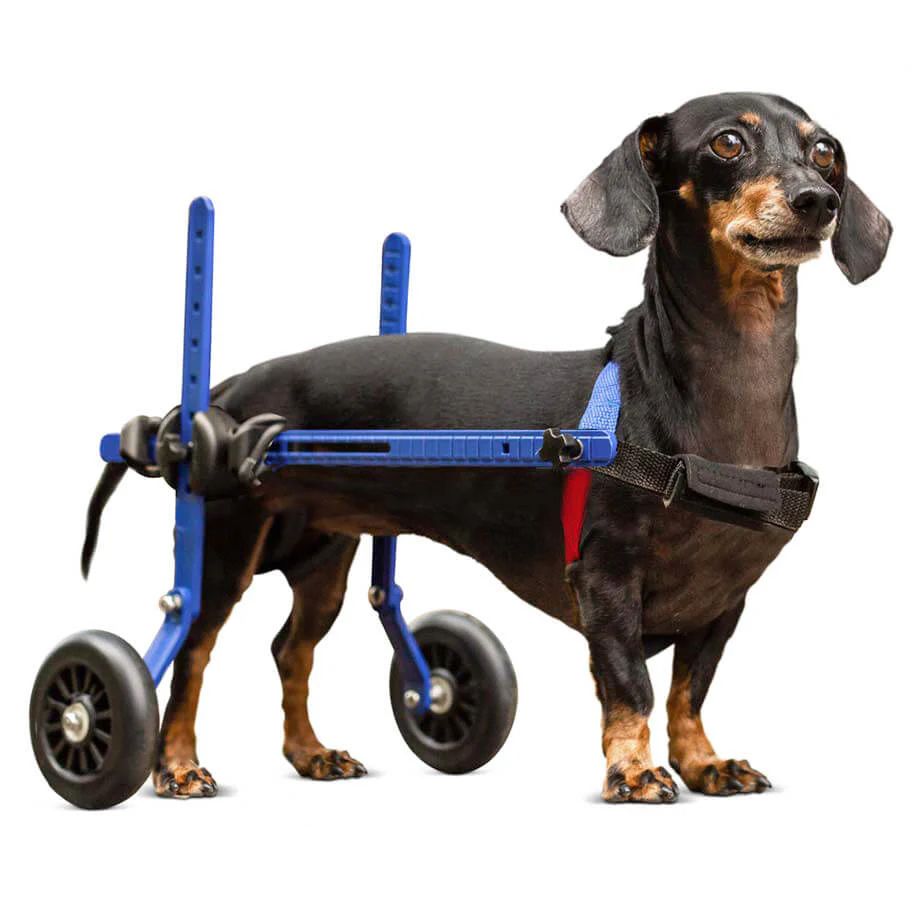
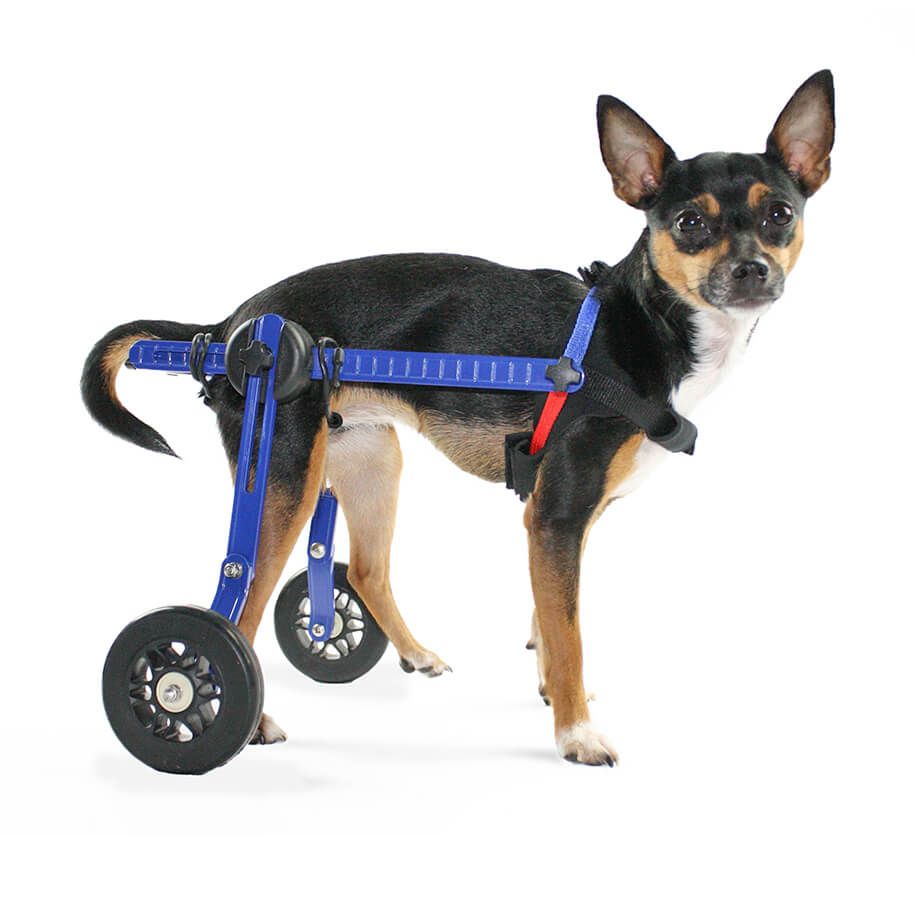
Walkin’ Pets wheelchairs are designed to support dogs with hind leg weakness, coordination loss, or full paralysis. For dogs with spinal or cerebellar ataxia, a rear support wheelchair can keep the back legs stable while allowing the front legs to move freely. If all four limbs are affected, a full support (quad) wheelchair can help maintain balance and motion safely.
Benefits of using a dog wheelchair include:
-
Improved mobility and mental well-being
-
Reduced strain on joints and muscles
-
Prevention of injuries from stumbling or falling
-
Increased quality of life for both the dog and owner
Many dogs with neurological conditions can continue enjoying walks, playtime, and family time with the help of a properly fitted mobility device.
What home care is needed for dogs with ataxia?
Caring for a dog with ataxia takes patience and careful adjustments at home. Your goal should be to make their environment safe, accessible, and calm.
Safety and environment
-
Use non-slip mats or rugs on slippery floors.
-
Block access to stairs or steep drops.
-
Add ramps for getting on furniture or outdoors.
-
Keep food and water bowls at chest height to avoid neck strain.
Daily care
-
Use a harness or sling for support during bathroom breaks.
-
Monitor their eating and drinking habits closely.
-
Help them reposition regularly to avoid pressure sores if they are not mobile.
-
Brush and clean them gently to prevent infections or skin issues.
Emotional support
Ataxia can be frustrating for dogs. Some may become anxious or withdrawn. Keep routines consistent, offer plenty of affection, and use calming tones during care.
Your vet may also recommend anxiety-reducing supplements or medications if needed.
Frequently Asked Questions
Can ataxia in dogs go away on its own?
In some cases, yes, ataxia in dogs can resolve without long-term treatment, but this depends on the underlying cause. For example, idiopathic vestibular syndrome, which is common in older dogs, often improves significantly within a few days to weeks without medical intervention.
However, many causes of ataxia, such as spinal injuries, tumors, or degenerative conditions, do not resolve on their own and may worsen over time without treatment. It’s important to get a proper veterinary diagnosis so the cause can be identified and the right plan developed.
Is ataxia in dogs painful for them?
Ataxia itself is not typically painful, but the underlying condition causing the ataxia may involve discomfort or pain. For instance, if the ataxia is due to a herniated disc or spinal injury, your dog may experience back or neck pain, muscle tension, or sensitivity when touched.
Dogs with ataxia may also fall or stumble frequently, leading to bruises or secondary injuries. Always watch for signs of pain, such as yelping, panting, restlessness, or reluctance to move, and report them to your veterinarian right away.
What breeds are more prone to ataxia?
Some dog breeds are genetically more likely to develop specific forms of ataxia, especially cerebellar ataxia. Breeds such as the American Staffordshire Terrier, Boston Terrier, Cocker Spaniel, Beagle, and Scottish Terrier have been reported to carry hereditary cerebellar diseases.
Larger breeds like German Shepherds and Boxers may also be more prone to spinal ataxia due to conditions like degenerative myelopathy or intervertebral disc disease. If you have a breed at higher risk, early signs of coordination problems should be investigated promptly.
How can I help my dog with ataxia walk better at home?
To help your dog with ataxia walk more safely at home, start by creating a stable, slip-resistant environment. Use area rugs or yoga mats on slippery floors. Install pet ramps for easier access to furniture or outdoor steps.
Harnesses with support handles can help guide your dog during walks or bathroom breaks. In more advanced cases, a supportive rear or full-body dog wheelchair, such as those from Walkin’ Pets, can provide balance, prevent falls, and give your dog more freedom to move around comfortably.
What’s the difference between ataxia and other mobility issues in dogs?
Ataxia specifically refers to poor coordination due to a neurological problem, while other mobility issues may be caused by joint pain, arthritis, or muscle weakness. Dogs with ataxia may appear dizzy, sway side to side, or have trouble placing their feet accurately.
In contrast, dogs with orthopedic issues like hip dysplasia or torn ligaments typically limp or avoid putting weight on a specific leg. Because treatment differs based on the cause, it’s important to have a vet determine whether your dog’s mobility issue is neurological or orthopedic.
How is ataxia in dogs different from a seizure or stroke?
Ataxia affects coordination and balance, while seizures involve uncontrolled muscle activity, and strokes typically result in sudden weakness or collapse on one side of the body. A dog with ataxia may walk unsteadily or fall frequently, but they are usually alert and responsive.
During a seizure, a dog may lose consciousness, paddle their legs, or drool excessively. A stroke may cause rapid eye movement, head tilt, or facial drooping. Accurate diagnosis often requires neurological exams and imaging, so don’t assume the cause based on symptoms alone.
What tests do vets use to diagnose ataxia in dogs?
Veterinarians use a combination of physical exams, neurological assessments, and imaging tests to diagnose ataxia. Common diagnostic tools include:
-
Neurological examination to assess reflexes, balance, and coordination
-
Bloodwork and urine tests to check for infections or toxins
-
X-rays to identify structural issues or trauma
-
MRI or CT scans to detect spinal or brain abnormalities
-
Cerebrospinal fluid (CSF) analysis for signs of inflammation or disease
A thorough diagnostic process helps pinpoint the cause and guides the right treatment approach.
Are there long-term management options for dogs with chronic ataxia?
Yes, dogs with chronic ataxia can be managed long-term with a combination of medical care, supportive therapies, and home adaptations. Ongoing physical therapy helps maintain muscle strength and coordination. Anti-inflammatory or immune-modulating medications may be needed if the ataxia is caused by autoimmune or degenerative diseases.
Supportive devices like dog wheelchairs can restore mobility and reduce fall risk. Home modifications, such as ramps and non-slip flooring, also improve safety. With consistent care, many dogs with chronic ataxia can enjoy a good quality of life.
Can a dog live a normal life with ataxia?
Many dogs with ataxia can live a full, happy life, especially when the condition is managed early and effectively. While some may need extra help moving around or staying safe, they can still enjoy walks, playtime, and social interaction.
Tools like support harnesses or wheelchairs can greatly improve their independence. The key to long-term well-being is identifying the underlying cause, following a treatment plan, and making appropriate adjustments to the home environment and daily routine.
When should I consider a dog wheelchair for my ataxic dog?
A dog wheelchair should be considered when your dog’s ataxia significantly affects their ability to walk, stand, or stay balanced without support. Signs that it may be time include frequent falls, dragging of limbs, hesitancy to move, or visible distress during movement.
Rear support wheelchairs are ideal for dogs with hind limb weakness, while full support (quad) wheelchairs work better for dogs with coordination loss in all four legs. A properly fitted wheelchair from a trusted brand like Walkin’ Pets can restore confidence and freedom of movement, while also reducing the risk of injury.