Walkin’ Wheels vs K9 Carts vs Eddie’s Wheels

Poodle Health Problems: What Health Issues Do Poodles Commonly Have?
Poodles are known for their intelligence, energy, and hypoallergenic coats. Whether you're caring for a Standard, Miniature, or Toy Poodle, it’s important to understand the health issues these dogs may face. While Poodles tend to be long-lived and hardy, they do have some inherited conditions that owners should be aware of. Knowing what to expect can help you spot problems early and give your dog the best care possible.
This guide covers the most common Poodle health problems, how they appear, and what you can do to manage or prevent them. We’ll also explore how mobility aids, like Walkin’ Pets dog wheelchairs, can help dogs with joint or nerve issues stay active and happy.
What are the most common health issues in Poodles?
Poodles are generally healthy dogs, but like all breeds, they are prone to certain genetic and age-related conditions. Some of these health problems are shared across all sizes of Poodles, while others are more common in specific types.
1. Orthopedic problems
Hip dysplasia is a condition where the hip joint doesn’t develop properly. This can lead to arthritis, stiffness, and pain as your dog gets older. Though more common in Standard Poodles due to their larger size, it can occur in Miniatures too. You might notice limping, difficulty rising, or reluctance to climb stairs.
Luxating patella (dislocated kneecap) is more common in Toy and Miniature Poodles. It often causes a skipping gait, sudden leg lifting, or occasional lameness. If the condition worsens, surgery may be needed.
Degenerative myelopathy is a progressive spinal cord condition usually affecting older dogs. It leads to weakness in the hind legs and eventual paralysis. Although not extremely common, Standard Poodles can develop it. Walkin’ Pets dog wheelchairs can support dogs with degenerative conditions by keeping them mobile and reducing stress on their joints.
2. Eye problems
Poodles are prone to several eye disorders, some of which are inherited.
-
Progressive Retinal Atrophy (PRA) is a slow degeneration of the retina that eventually leads to blindness. It’s painless but not curable. Genetic testing can help breeders avoid passing it on.
-
Cataracts often develop in older Poodles. These appear as cloudy spots in the eyes and may cause vision loss. Surgery is an option for some cases.
-
Glaucoma causes increased pressure in the eye. It is painful and can lead to blindness if untreated. Signs include redness, squinting, and a cloudy cornea.
Routine eye exams by a veterinary ophthalmologist are recommended, especially if your Poodle’s lineage includes dogs with known eye conditions.
3. Skin and coat problems
Poodles have a dense, curly coat that needs regular grooming. Without proper care, their skin can become irritated or infected.
Sebaceous adenitis is an inherited skin condition that leads to dry, scaly skin and hair loss. It can be managed with medicated shampoos and special treatments.
Allergies are also common, especially in Miniature and Toy Poodles. Dogs may develop reactions to certain foods, pollen, or flea bites. Watch for signs like itching, chewing paws, or ear infections.
4. Endocrine disorders
Hormone-related diseases can affect all sizes of Poodles. These include:
-
Addison’s disease (hypoadrenocorticism) affects the adrenal glands, causing weakness, vomiting, diarrhea, and low energy. It can be life-threatening if untreated but is manageable with medication.
-
Cushing’s disease (hyperadrenocorticism) causes the body to produce too much cortisol. It can lead to a pot-bellied appearance, hair loss, excessive thirst, and frequent urination.
-
Hypothyroidism is common in Standard Poodles. Dogs with this condition may gain weight, become lethargic, or have a thinning coat. It’s treatable with daily medication.
5. Neurological disorders
Epilepsy is seen in all types of Poodles, especially Standards. Dogs may have seizures that range from mild to severe. With proper diagnosis and medication, most dogs can live comfortably.
Idiopathic vestibular disease can occur in older Poodles, causing sudden loss of balance, head tilt, and rapid eye movements. It usually improves within days or weeks, though it can be alarming at first.
6. Digestive and liver issues
Poodles may be prone to gastrointestinal sensitivities. Miniatures and Toys, in particular, can have delicate digestive systems.
Chronic pancreatitis can cause vomiting, abdominal pain, and diarrhea. A low-fat diet and close monitoring can help reduce flare-ups.
Portosystemic shunts are abnormal blood vessels that bypass the liver, leading to toxins remaining in the bloodstream. This is more commonly seen in Toy Poodles and often appears in young dogs.
Are some Poodle sizes more prone to certain health problems?
Yes, the size of the Poodle plays a role in which health issues are more likely to appear.
-
Standard Poodles are more likely to suffer from hip dysplasia, bloat (gastric dilatation-volvulus), and autoimmune disorders like Addison’s disease.
-
Miniature Poodles may have a higher risk of epilepsy, luxating patella, and skin allergies.
-
Toy Poodles are more prone to dental disease, tracheal collapse, and low blood sugar (hypoglycemia) in puppies.
All Poodles, regardless of size, benefit from early health screening and regular veterinary care.
What mobility problems do aging Poodles face?
As Poodles age, joint stiffness and muscle loss can reduce their mobility. Arthritis is common and may affect the hips, knees, or spine. Dogs may become hesitant to jump, walk less, or tire easily.
In some cases, neurological conditions or injuries may lead to partial paralysis or weakness in the back legs. This is especially true in seniors or dogs recovering from surgery.
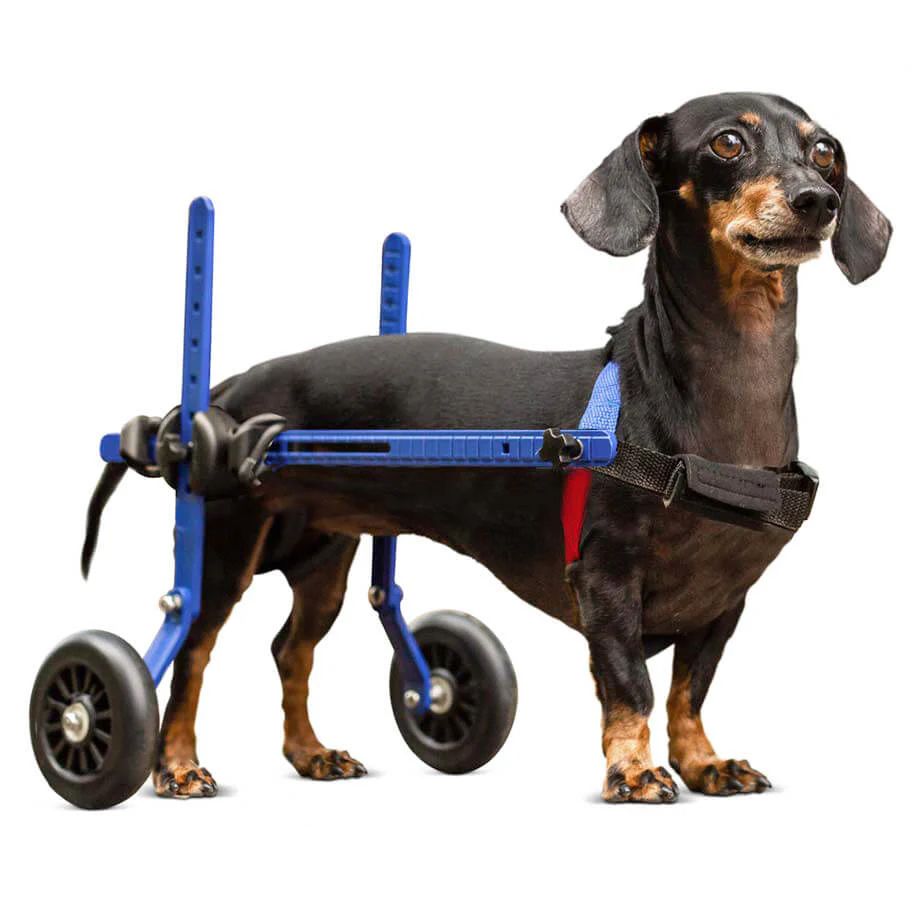
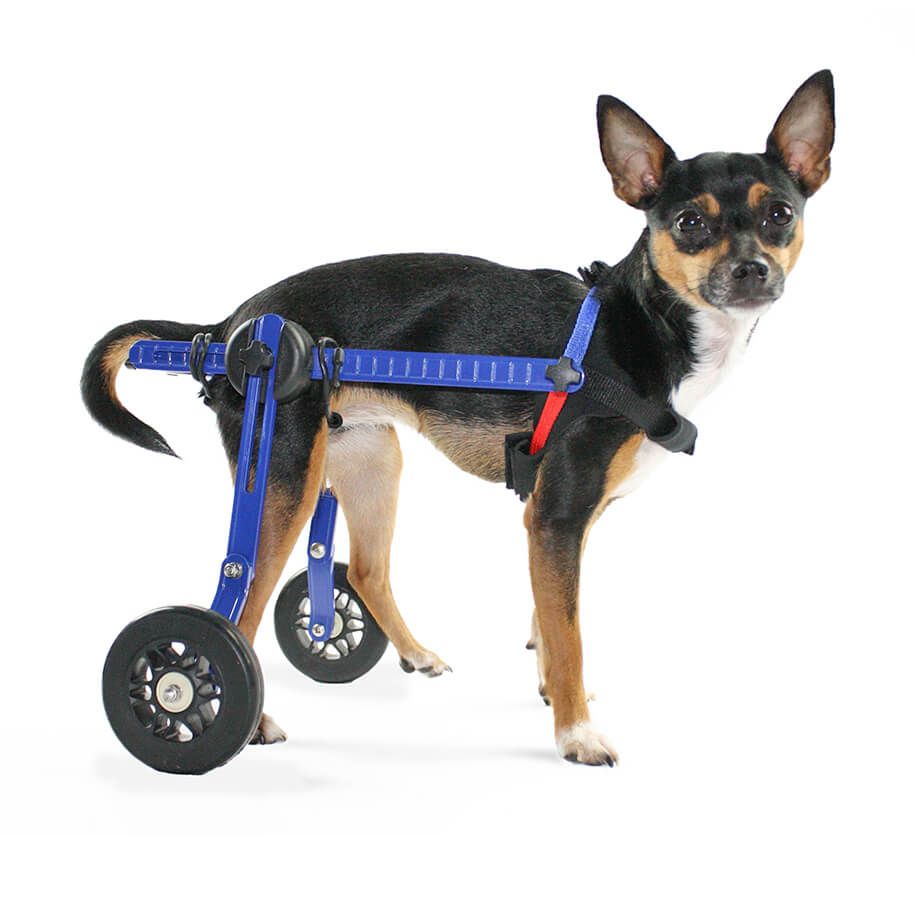
When mobility becomes an issue, products like the Walkin’ Wheels dog wheelchair can support a dog’s back legs, helping them stay active and maintain muscle tone. These wheelchairs are fully adjustable and can be customized to fit Poodles of any size.
Wheelchairs can also help with post-surgical recovery, especially after orthopedic procedures. They provide a safe way for dogs to move around without bearing full weight on healing limbs.
How can you prevent common health issues in Poodles?
While not all conditions can be prevented, many can be managed or delayed with early intervention and smart care choices.
-
Choose a reputable breeder who screens for genetic disorders, especially PRA, hip dysplasia, and Addison’s disease.
-
Maintain a healthy weight to reduce pressure on joints and prevent diabetes.
-
Feed a balanced diet suited to your dog’s size, age, and health needs.
-
Groom regularly to avoid skin infections and detect lumps or injuries early.
-
Schedule routine vet checkups, including bloodwork, eye exams, and dental cleanings.
If your dog begins to show signs of pain, limping, or weakness, early use of support tools like harnesses or wheelchairs can slow the progression of disability and help maintain quality of life.
Frequently asked questions
What health problems do Standard Poodles usually have?
Standard Poodles are prone to several inherited and age-related health conditions. The most common include hip dysplasia, Addison’s disease, progressive retinal atrophy (PRA), and gastric dilatation-volvulus (bloat). They may also be at risk for hypothyroidism and degenerative myelopathy.
These dogs benefit from regular veterinary checkups, orthopedic screenings, and genetic testing if sourced from a breeder. Staying active, keeping a healthy weight, and monitoring for early signs of mobility or digestive issues can help reduce the risk of complications over time.
Are Toy and Miniature Poodles more likely to have joint or knee problems?
Yes, Toy and Miniature Poodles are more likely to experience joint issues, especially luxating patella, which is a condition where the kneecap slips out of place. This can cause limping, sudden leg lifting, or skipping during movement. Over time, untreated luxating patella can lead to joint inflammation and arthritis.
These smaller Poodles may also face problems with tracheal collapse and early-onset dental disease. Managing their weight, avoiding excessive jumping, and providing joint-supporting supplements can help protect their long-term joint health.
How can I tell if my Poodle is developing arthritis?
Signs of arthritis in Poodles include stiffness after rest, limping, reluctance to go up stairs or jump, slower movement, and sensitivity to touch around the joints. You may also notice behavioral changes, such as decreased interest in play or hesitation during walks.
Arthritis is more common in older dogs and in those with a history of joint injuries or dysplasia. If you suspect arthritis, consult your vet for diagnosis. Early treatment may involve anti-inflammatory medication, physical therapy, or mobility aids like dog wheelchairs to reduce stress on joints.
What is Addison’s disease in Poodles and how is it treated?
Addison’s disease in Poodles is a hormonal disorder where the adrenal glands fail to produce enough cortisol and aldosterone. Symptoms include lethargy, vomiting, diarrhea, weight loss, and sometimes collapse during stress. It can be difficult to diagnose because signs are often vague.
Blood tests can confirm it, and once diagnosed, treatment involves hormone replacement therapy and regular monitoring. Addison’s is more common in Standard Poodles, and with consistent medication and care, affected dogs can live full and active lives.
How can I support a Poodle with back leg weakness?
If your Poodle shows signs of back leg weakness, such as wobbling, dragging the hind legs, or trouble standing, it’s important to first consult a veterinarian. Causes may include arthritis, degenerative myelopathy, nerve damage, or spinal issues.
Depending on the diagnosis, treatment may involve medications, physical therapy, or lifestyle changes. For dogs with chronic or progressive mobility issues, rear-support dog wheelchairs from Walkin’ Pets can help maintain movement, reduce pain, and keep your dog active without putting pressure on their weakened limbs.
Are Poodles at high risk for progressive retinal atrophy (PRA)?
Yes, all sizes of Poodles are at risk for progressive retinal atrophy (PRA), a genetic eye disease that leads to gradual vision loss and eventual blindness. PRA is painless and typically begins with night blindness, followed by reduced daytime vision.
There is no cure, but early diagnosis through a veterinary ophthalmologist can help you prepare your home environment for a visually impaired dog. Responsible breeders can screen for PRA through genetic testing to avoid passing the condition to future generations.
What can I do if my senior Poodle starts losing mobility?
If your senior Poodle begins to lose mobility, the first step is to determine the cause through a vet exam. Common causes include arthritis, hip dysplasia, spinal issues, or neurological conditions.
After diagnosis, you can support your dog with joint supplements, a low-impact exercise routine, pain management, and physical therapy. For dogs with more advanced mobility loss, rear or full-support dog wheelchairs can provide essential assistance. These mobility aids help maintain strength and independence while reducing the risk of injury.
How do I prevent dental disease in Toy and Miniature Poodles?
Toy and Miniature Poodles are especially prone to dental disease due to their small mouths and crowded teeth. To prevent plaque buildup and gum infections, brush your Poodle’s teeth daily with dog-safe toothpaste.
Provide dental chews and schedule professional cleanings as recommended by your vet. Look for signs like bad breath, red gums, loose teeth, or difficulty eating. Early prevention helps avoid tooth loss and systemic issues linked to untreated dental infections, such as heart or kidney problems.
What role does diet play in preventing Poodle health problems?
A balanced diet is essential for maintaining your Poodle’s overall health. Proper nutrition supports joint health, immune function, digestion, and coat quality. For Standard Poodles, diets rich in omega-3 fatty acids and glucosamine may help prevent or manage arthritis. Smaller Poodles benefit from high-quality kibble designed for dental health and small jaws.
Avoid overfeeding to prevent obesity, which can strain joints and increase the risk of diabetes. Consult your veterinarian to tailor your dog’s diet to their size, age, and health conditions.
Shop our full range of dog wheelchairs, including options for front legs, back legs, or a 4 wheel dog wheelchair for full-body support.