Proprioception in Dogs: How CP Deficits Can Cause Paw Knuckling (Signs, Causes, Solutions)
Addressing Hip Subluxation in Dogs
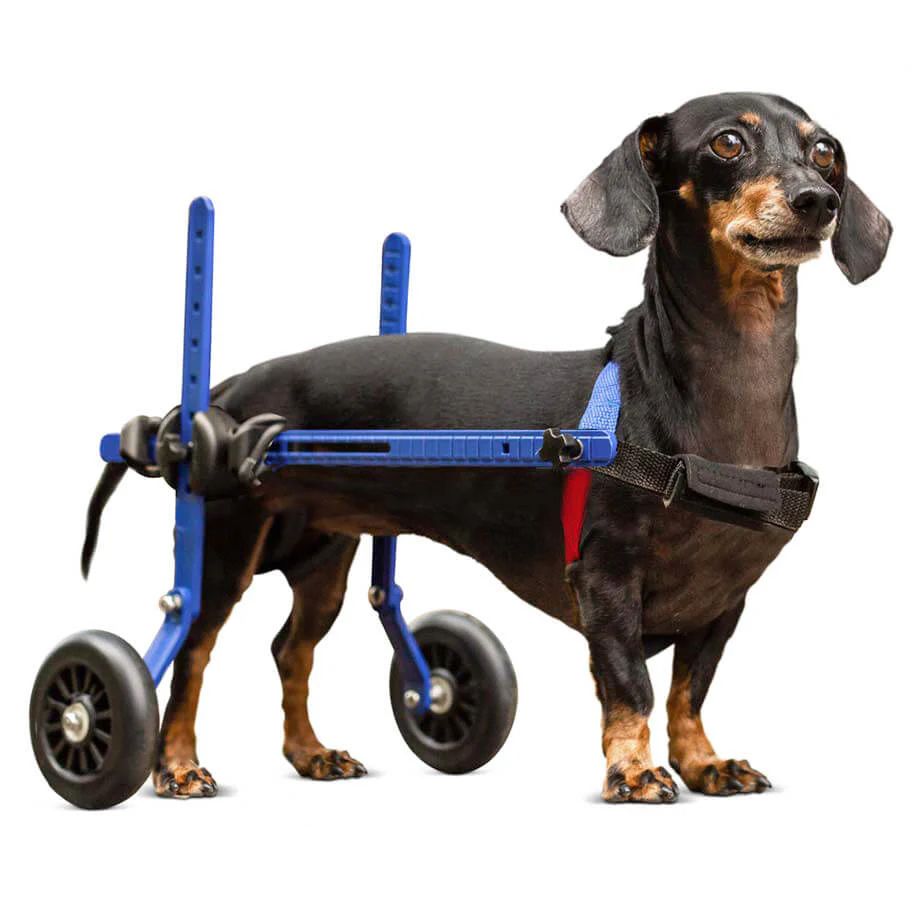
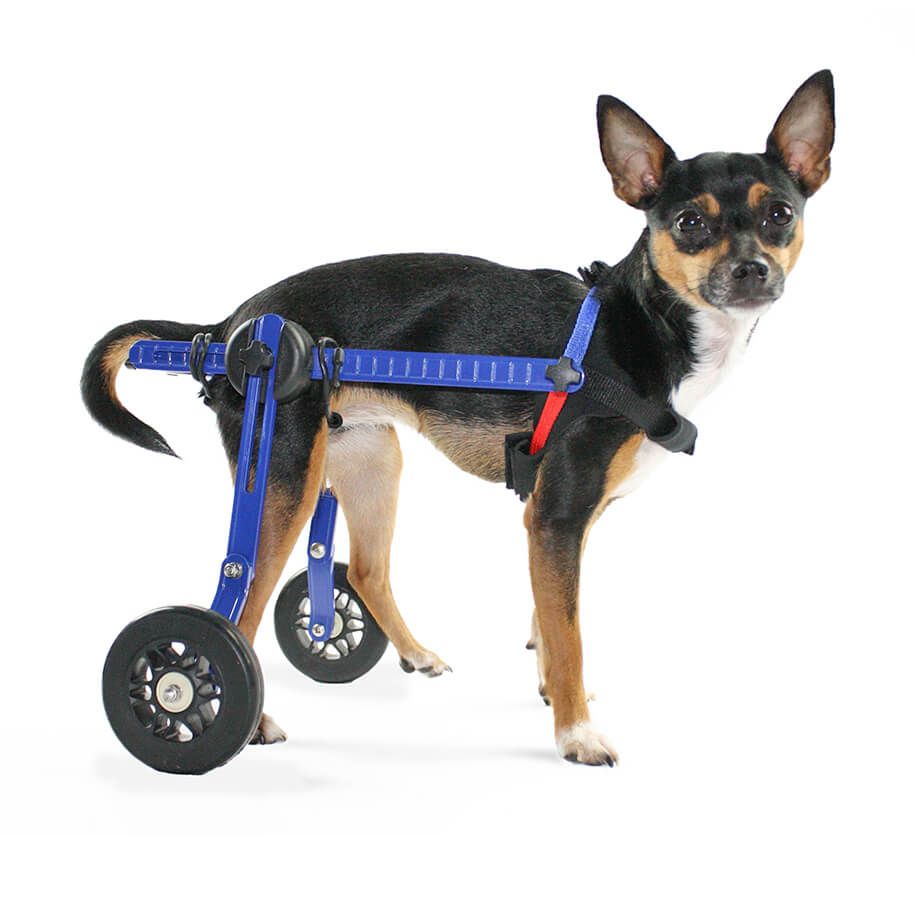
Hip subluxation is incredibly debilitating. It occurs when the ball of the hip joint pops partially out of the socket. It can be equally as painful as a full dislocation or luxation. Finding relief for your four-legged friend is easier than ever with the proper equipment for disabled dogs. The Walkin' Hip-EEZ harness paired with additional support wear will bring comfort to your dog with a little assistance.
What is Hip Subluxation?
Subluxation is the partial dislocation of a joint, the bone partially separates from the socket. Hip subluxation is one of the main symptoms in diagnosing hip dysplasia.
Signs of Hip Subluxation
- sudden onset of limping
- reluctance to walk or jump
- pain when touching or moving the joint
- swelling or warmth of the joint
- decreased appetite
- decreased activity
How to Treat Subluxated Hips
Strength Building
Once you have identified hip subluxation as the problem, it’s best to begin using equipment specifically designed to relieve this pain. Often, chronic pain will cause a dog to find ways to avoid using his body parts to their full potential, putting added stress on other areas. They do this to avoid straining or causing further pain during movement. This behavior could cause a loss of strength and muscle.
Once your dog's strength has diminished, it is harder to build it back up again, as they will likely be unwilling to put their full effort or weight into building up the area again.
Surgery vs. Rehabilitation Therapy
Hip Subluxation Surgery
Should a closed reduction approach be unsuccessful, your Vet will recommend an open reduction surgery. This procedure will be done under general anesthetic and the surgeon will reduce the size of the femoral head to allow it to connect with the pelvis. The surgeon will stabilize the joint with pins or screws so the joint will not come out of place.
Post-op care after open reduction surgery is very important to regain full mobility for your dog. Be sure to follow your vets instructions.
Benefits of Physical Therapy
It's hard to determine how hard to push your dog after a hip replacement surgery. Addressing hip subluxation in dogs and understanding the healing process is essential. Additionally, understanding the most efficient ways to work the hip area during this time will help tremendously. This understanding is paramount during the healing and restoration of the recently injured zone.
Rehab therapy can be used in place of surgery if recommended by a veterinary professional. In this case, the same benefits and practices of having the surgery and recovering still apply. Supportive equipment for disabled dogs allows the pet owner to use these tools to expedite the recovery process. A veterinarian can help lay out a plan of attack to work and strengthen the hip area and avoid hip subluxation occurring again.
Related Articles: