Walkin’ Wheels vs K9 Carts vs Eddie’s Wheels

Beagle Lifespan: How Long Do Beagles Live? (Life Expectancy)
Beagles are one of the most beloved dog breeds in the United States. Known for their friendly personality, compact size, and excellent scenting ability, they’ve earned a strong place in both family homes and working roles like search and detection. But for many current and future Beagle owners, one important question often comes up: How long do Beagles live?
Understanding the lifespan of a Beagle isn’t just about knowing the number of years. It’s also about what affects their longevity, what health problems to watch for, and how to help them live a full and active life, even in their senior years.
This guide covers everything you need to know about the Beagle’s life expectancy, with practical tips to support your dog’s health and mobility as they age.
What is the average lifespan of a Beagle?
On average, Beagles live between 12 and 15 years. This puts them on the higher end of the lifespan range for medium-sized dog breeds. Some Beagles have been known to live even longer, especially when given proper veterinary care, good nutrition, and regular exercise.
Life stages of a Beagle:
-
Puppy: Birth to 12 months
-
Adult: 1 to 7 years
-
Senior: 8 years and older
Each stage comes with its own needs, especially in the senior years, where changes in mobility and health become more noticeable.
What factors influence a Beagle’s life expectancy?
Several key factors can influence how long a Beagle lives. While genetics play a role, lifestyle and preventive care are just as important.
Genetics and breeding
Beagles from responsible breeders who focus on health and genetic testing tend to have fewer inherited conditions. Poor breeding practices, on the other hand, may result in congenital issues that shorten lifespan.
Diet and weight
Obesity is a major concern for Beagles. This breed loves to eat and is highly food motivated, making them prone to weight gain. Extra weight places stress on the joints, heart, and other organs, leading to serious health issues over time.
Feeding a balanced diet with portion control and regular vet check-ins can help prevent this.
Exercise and mental stimulation
Beagles are high-energy dogs that were bred to hunt. Without regular physical activity, they can become bored or anxious, which often leads to destructive behavior or weight gain. Daily walks, scent games, and playtime are critical for both physical and mental well-being.
Regular veterinary care
Annual wellness exams, dental cleanings, blood work, and parasite control are vital for catching health problems early. As Beagles age, twice-yearly vet visits are recommended.
What are common health problems in Beagles?
Beagles are generally a healthy breed, but they are prone to certain genetic and age-related conditions. Knowing these risks can help owners take action early.
1. Hip dysplasia and arthritis
Although Beagles are smaller than other breeds commonly affected by joint issues, hip dysplasia and arthritis still occur, especially in senior dogs or those with weight problems. Early signs include stiffness, limping, or reluctance to jump or climb stairs.
2. Intervertebral disc disease (IVDD)
IVDD is a spinal condition that can affect Beagles and lead to pain, nerve damage, or even paralysis. Dogs with IVDD may show signs like back pain, unsteady walking, or dragging their hind legs.
3. Epilepsy
Beagles have a higher risk of idiopathic epilepsy, which causes recurring seizures. This condition is usually manageable with medication, but it requires long-term veterinary care and monitoring.
4. Hypothyroidism
This hormone-related disorder is common in Beagles and may cause weight gain, hair loss, lethargy, and skin issues. Treatment is usually lifelong but very manageable with daily medication and vet supervision.
5. Ear infections
Due to their floppy ears, Beagles are prone to ear infections. Routine ear cleaning and keeping ears dry can reduce the risk of infections and hearing loss over time.
At what age is a Beagle considered a senior?
Most Beagles enter their senior stage at 8 years old, though some may show signs of aging earlier or later depending on their health and lifestyle. Common signs of aging in Beagles include:
-
Slower movement or reluctance to exercise
-
Graying fur around the muzzle
-
Increased sleep
-
Joint stiffness or limping
-
Hearing or vision loss
-
Changes in behavior or appetite
While aging is natural, these signs should never be ignored. Many changes can be managed or improved with the right care.
How can you help your Beagle live a longer and healthier life?
While no one can control genetics, there are many proven ways to extend and improve your Beagle’s quality of life.
1. Provide a high-quality diet
Choose age-appropriate, vet-recommended food. Watch portion sizes and avoid excessive treats. Fresh water should always be available.
2. Maintain a healthy weight
Weigh your Beagle regularly and consult your vet if weight gain is noticed. Obesity is one of the most preventable causes of health problems in Beagles.
3. Keep them active
Even senior Beagles need regular movement. Short, gentle walks, indoor play, and low-impact activities help keep muscles and joints strong.
4. Schedule regular veterinary check-ups
Early detection is key. Blood work, dental exams, and screenings for common age-related conditions can improve your Beagle’s prognosis and comfort.
5. Provide mental enrichment
Keep your Beagle’s mind sharp with scent games, puzzle toys, or training exercises. This helps reduce boredom and keeps their cognitive function strong.
6. Support senior mobility needs
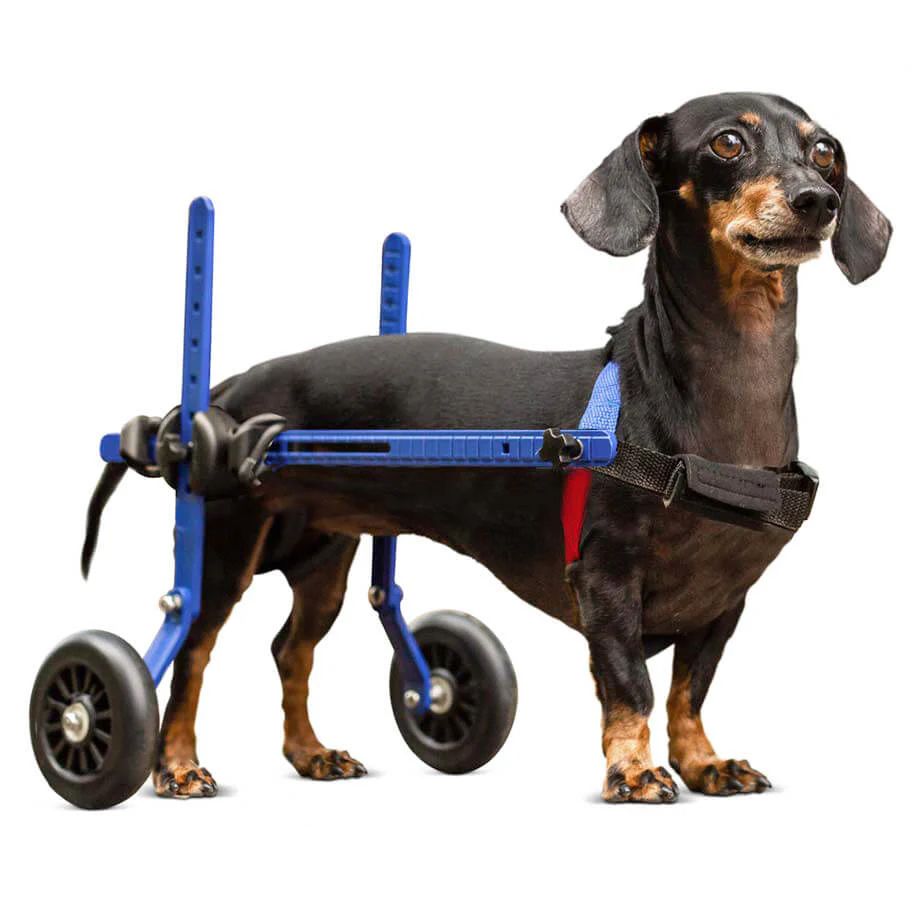
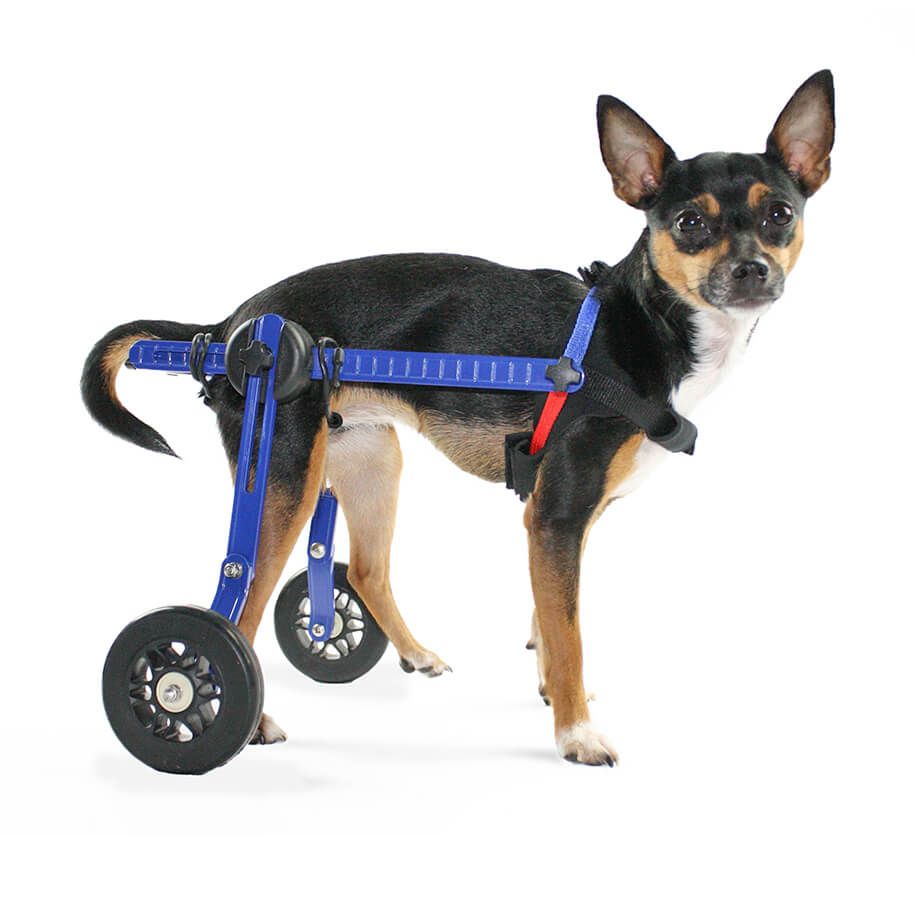
As dogs age, mobility support becomes more important. Slippery floors, stairs, and long walks may become challenging. Orthopedic beds, ramps, and mobility aids like Walkin’ Wheels help senior Beagles maintain confidence and freedom.
Dogs that lose strength in their hind legs or have conditions like IVDD or arthritis can benefit greatly from a well-fitted wheelchair, which gives them the ability to walk, play, and even go on hikes with their families again.
Realistic expectations for Beagle longevity
It’s important to know that while many Beagles live into their mid-teens, not all will reach that age. Some may develop conditions that shorten their lifespan, even with excellent care. However, what matters most is the quality of life they have during the years they are with you.
Many owners of senior or disabled Beagles find that with the right support and adjustments, their dogs can enjoy a rich, happy life even into their final years.
Frequently Asked Questions
How long do most Beagles live?
Most Beagles live between 12 and 15 years, with many reaching the higher end of that range when given proper care. Factors like diet, exercise, genetics, and regular veterinary checkups play a big role in how long a Beagle lives.
Some well-cared-for Beagles have even lived to 16 or 17 years old. To support longevity, owners should focus on weight management, early detection of health problems, and adjusting care as their dog enters the senior years.
Do Beagles have a shorter lifespan than other dog breeds?
No, Beagles do not have a shorter lifespan than most breeds. In fact, they often live longer than many larger dogs. The average Beagle lifespan of 12 to 15 years is considered long for a medium-sized breed.
Smaller dogs generally live longer than large breeds, and Beagles fall into that middle category with relatively strong health overall. However, like any breed, their lifespan can be affected by genetic issues and lifestyle choices made by their owners.
What health issues can shorten a Beagle’s life?
Some of the most common health issues that may shorten a Beagle’s life include obesity, epilepsy, hypothyroidism, arthritis, hip dysplasia, intervertebral disc disease (IVDD), and heart problems.
Obesity is one of the most preventable yet dangerous factors, as it increases the risk of joint problems and organ stress. Genetic conditions like epilepsy and IVDD can also have a serious impact if not managed properly. Regular vet visits and early intervention can reduce the risks associated with these conditions.
What age is considered old for a Beagle?
A Beagle is generally considered a senior dog at around 8 years of age. Some Beagles may begin to show signs of aging earlier, while others remain active well into their teens.
Signs that a Beagle is getting older may include slower movement, increased sleep, gray hair around the muzzle, and joint stiffness. Owners should adjust their care routine once their Beagle enters the senior stage by focusing on joint support, regular vet checkups, and more comfortable exercise routines.
How can I help my Beagle live a longer life?
To help your Beagle live a longer and healthier life, focus on five key areas: a balanced diet, maintaining a healthy weight, regular exercise, mental stimulation, and preventive veterinary care. Keep your Beagle at an ideal weight to prevent stress on joints and organs.
Offer daily walks and brain games to stay active and sharp. Schedule routine vet visits to catch issues early. If your dog develops mobility problems later in life, tools like dog wheelchairs can also help maintain quality of life.
Do Beagles age slower or faster than other breeds?
Beagles age at a pace that’s typical for medium-sized dogs. They generally reach senior status at 8 years old, which is similar to other breeds of the same size.
While they may maintain their energy and playful behavior well into older age, they still experience the same age-related changes as most dogs. With proper care, many Beagles stay active and healthy into their early to mid-teens, but their rate of aging depends on factors like genetics, lifestyle, and veterinary care.
What are the signs of aging in a Beagle?
Signs of aging in a Beagle include reduced activity, joint stiffness, slower walking, increased sleeping, gray hairs around the face, hearing or vision decline, and changes in appetite or behavior. Some Beagles may also show signs of anxiety or confusion as they get older.
If your Beagle has trouble with stairs, shows weakness in the hind legs, or struggles on walks, these may indicate mobility changes. Supportive tools such as orthopedic beds or a properly fitted dog wheelchair can help maintain comfort and independence.
Are Beagles prone to mobility issues as they age?
Yes, older Beagles can develop mobility issues, especially due to arthritis, hip dysplasia, or spinal problems like IVDD. These conditions can cause stiffness, pain, or weakness in the back legs.
While not all Beagles will face serious mobility decline, many benefit from adjustments in their living environment as they age. Providing ramps, non-slip surfaces, and, in more advanced cases, using a dog wheelchair can greatly improve their ability to move around safely and continue enjoying daily activities.
How do I know when my senior Beagle needs extra mobility support?
You may notice your Beagle having trouble with everyday movements, such as getting up from the floor, climbing stairs, or going on walks. Signs like dragging hind legs, limping, or frequent falls suggest that your dog might need extra support.
If these signs are present, consult your vet to rule out treatable issues and discuss whether a dog wheelchair or other mobility aid would help. Early support can prevent injuries and improve your dog’s comfort and quality of life.
Shop our full range of dog wheelchairs, including options for front legs, back legs, or a 4 wheel dog wheelchair for full-body support.