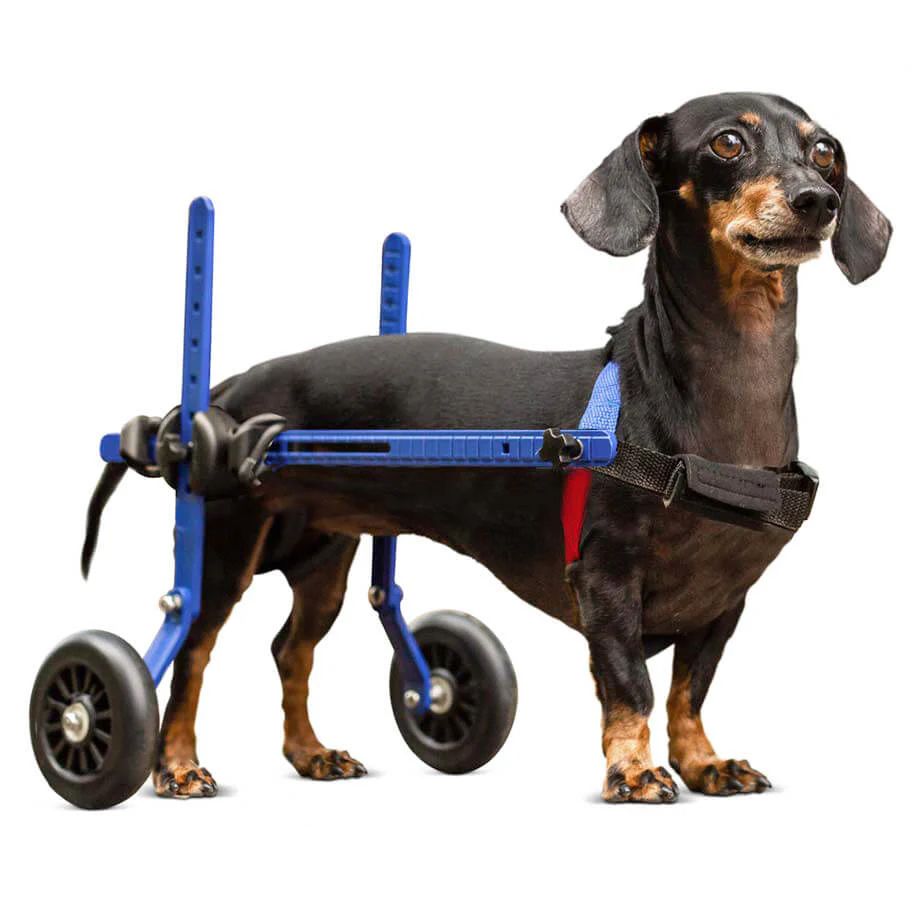
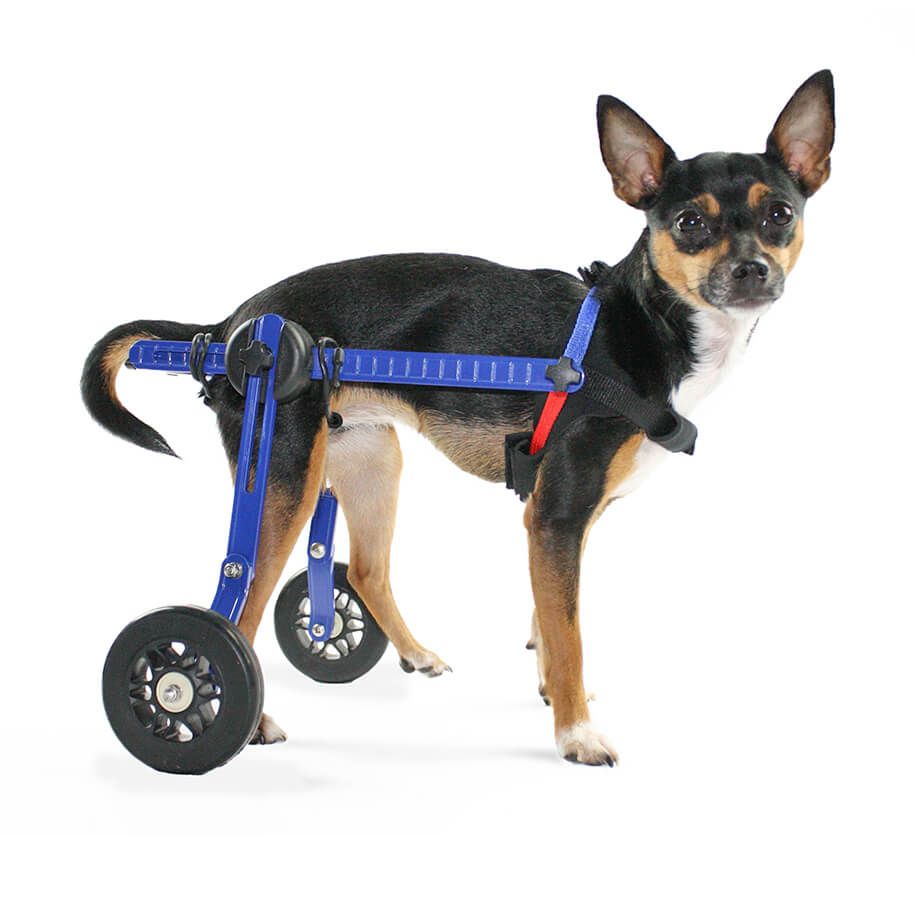
Walkin’ Wheels vs K9 Carts vs Eddie’s Wheels

Border Collie Lifespan: How Long Do Collies Live? (Life Expectancy)
Border Collies are known for their sharp intelligence, intense focus, and unmatched energy. Often described as one of the most trainable breeds, these dogs excel in agility, obedience, and herding work. But while many people are familiar with their talents, fewer understand what to expect when it comes to their lifespan.
If you’re considering adding a Border Collie to your family, or you already have one, knowing how long they typically live, and how to support their health at every stage, is essential.
What is the average lifespan of a Border Collie?
On average, Border Collies live between 12 and 15 years. Some can live a bit longer, especially when given proper veterinary care, a balanced diet, and regular mental and physical stimulation. Compared to other medium-sized breeds, Border Collies tend to have a relatively long life expectancy, particularly when they're not exposed to major health issues.
What factors influence a Border Collie’s lifespan?
Several factors can affect how long a Border Collie lives. These include:
Genetics and breeding practices
A dog's genetic background has a major impact on their health and longevity. Responsible breeders test for common hereditary conditions and avoid breeding dogs with known genetic health issues. Dogs from poorly regulated breeders, or those bred without genetic screening, are more likely to inherit health problems that could shorten their lifespan.
Diet and nutrition
A high-quality, nutrient-rich diet supports overall health and longevity. Border Collies are active dogs with specific nutritional needs, especially during growth, pregnancy, or aging. Feeding them the correct portions, avoiding harmful human foods, and keeping them at a healthy weight can all play a role in how long they live.
Exercise and mental stimulation
Because Border Collies are working dogs, they need more than just a walk around the block. Physical activity paired with mental tasks (like puzzle toys or training exercises) helps prevent obesity and behavioral issues, both of which can impact health and lifespan.
Regular veterinary care
Routine check-ups can catch early signs of disease or injury. Vaccinations, dental care, bloodwork, and early treatment for conditions such as arthritis or heart disease can significantly improve quality of life and life expectancy.
Injury prevention and safety
Border Collies are fast and driven, but that intensity can sometimes lead to injuries, especially to their joints. Simple home adjustments like using ramps for cars or avoiding high-impact activities on hard surfaces can help prevent strain over time.
What are the most common health issues in Border Collies?
While Border Collies are generally healthy, they are prone to several breed-specific conditions that can affect both lifespan and quality of life.
1. Hip dysplasia
This condition occurs when the hip joint doesn’t fit together properly. It can cause pain, mobility issues, and eventually arthritis. Regular exercise, joint supplements, and in some cases physical therapy or surgery, can help manage symptoms.
2. Collie eye anomaly (CEA)
CEA is a genetic eye condition that can cause mild to severe vision problems. Many dogs with CEA live normal lives, but in more serious cases, it may lead to blindness.
3. Epilepsy
Idiopathic epilepsy can affect Border Collies and usually shows up between 6 months and 5 years of age. With proper veterinary care and medication, seizures can often be managed well.
4. Osteoarthritis
As Border Collies age, they can develop joint stiffness and pain. This condition, while not life-threatening, can greatly affect a dog's mobility and happiness. Supportive care, physical therapy, and mobility aids like dog wheelchairs can greatly improve their comfort.
5. Degenerative myelopathy
Although rare, this progressive spinal disease affects older dogs and leads to gradual loss of mobility. Since there is no cure, supportive care is key. A dog wheelchair can help keep a Border Collie with degenerative myelopathy active and able to enjoy life for longer.
At what age is a Border Collie considered a senior?
Most Border Collies are considered seniors around 7 to 9 years of age, depending on their overall health and activity level. At this stage, you may start noticing changes in energy, mobility, and behavior.
This is an ideal time to make adjustments to their care, including:
-
Switching to a senior-friendly diet
-
Increasing the frequency of vet visits
-
Introducing joint support supplements
-
Providing low-impact exercise options
-
Considering mobility aids if needed
How can I help my Border Collie live a longer, healthier life?
While you can’t control genetics, there’s a lot you can do to support your Border Collie’s health through every stage of life.
Encourage daily movement and play
A healthy Border Collie needs both physical and mental stimulation. That could include long walks, obedience games, scent tracking, or trick training. As your dog gets older, adapt the activities to suit their ability level.
If your Border Collie starts having difficulty getting up, going for walks, or climbing stairs, a dog wheelchair from a company like Walkin’ Pets can help them stay mobile and engaged. These mobility carts are designed to fit the unique build of active breeds like Border Collies and can be a game-changer in giving them a better quality of life during their senior years.
Keep up with routine health checks
Early detection is key to treating most illnesses. Bloodwork, dental evaluations, eye exams, and heart checks can all reveal potential issues before they become serious.
Watch their weight
Obesity is one of the most common, preventable causes of health issues in dogs. Border Collies are naturally lean and active, so a noticeable weight gain may be a sign of reduced activity, poor diet, or an underlying condition.
Support joint health early
Don't wait until your Border Collie is limping to start joint support. Supplements like glucosamine and chondroitin, low-impact exercise, and massage therapy can help maintain flexibility and reduce inflammation over time.
Can senior Border Collies still live active lives?
Yes, many senior Border Collies remain active well into their golden years. While their speed may slow down, their minds often stay sharp, and they still enjoy learning and exploring. Adapting your daily routine to match their changing needs can help them stay happy and connected to you.
If joint pain or neurological issues limit their ability to walk or run, a dog wheelchair offers a practical and supportive way to keep them moving safely. Walkin’ Pets designs adjustable wheelchairs that allow older Border Collies to continue enjoying walks, playing fetch, or simply exploring the backyard, without strain or discomfort.
What’s the longest a Border Collie has ever lived?
While not officially recorded, several Border Collies have reportedly lived over 17 years. These are exceptions, not the rule, but they highlight what’s possible with excellent care, strong genetics, and a little luck.
Frequently asked questions
How long do most Border Collies live compared to other dog breeds?
Most Border Collies live between 12 and 15 years, which is slightly longer than the average lifespan of many medium-sized dog breeds. For comparison, breeds like Labrador Retrievers typically live around 10 to 12 years.
Border Collies benefit from being highly active and mentally engaged, which contributes to their longevity. With excellent care, some Border Collies can even reach 17 years or older. Regular vet checkups, proper diet, and injury prevention are key to supporting a longer life.
What age do Border Collies usually start showing signs of aging?
Border Collies often begin to show visible signs of aging between 7 and 9 years old. These signs may include reduced stamina, joint stiffness, gray hairs around the muzzle, and slower recovery from exercise.
Some dogs may also show early signs of arthritis or vision changes. At this stage, it’s important to switch to a senior-focused care routine, which might include changes in diet, more frequent veterinary visits, and low-impact activities to support mobility and cognitive health.
What are the most common causes of death in Border Collies?
The most common causes of death in Border Collies include cancer, heart disease, neurological conditions, and age-related joint deterioration. In older dogs, conditions such as arthritis or degenerative myelopathy may not be fatal on their own but can affect quality of life.
Timely veterinary care, early diagnosis, and proper support—such as mobility aids or tailored diets—can help manage chronic conditions and extend both lifespan and quality of life for senior Border Collies.
Can a dog wheelchair help an aging Border Collie live longer?
Yes, a dog wheelchair can help extend both the lifespan and quality of life for an aging Border Collie, especially if they have mobility issues due to arthritis, injury, or degenerative diseases. Wheelchairs reduce strain on the joints, allow the dog to remain active, and prevent muscle loss.
Staying mobile supports mental health and can reduce secondary health issues caused by inactivity. Walkin’ Pets offers dog wheelchairs designed for medium-sized breeds like Border Collies, helping them move comfortably and safely.
How can I tell if my senior Border Collie is in pain or discomfort?
Signs that a senior Border Collie may be in pain include limping, reluctance to jump or climb stairs, whimpering, changes in appetite, licking at joints, and a noticeable drop in activity. Some dogs also show irritability or increased sensitivity to touch.
These behaviors are often linked to conditions like arthritis or hip dysplasia. If you notice any of these symptoms, schedule a vet exam. Early treatment and mobility aids can significantly improve comfort and reduce stress for your dog.
What health tests should Border Collie puppies get to ensure a longer life?
Border Collie puppies should be screened for breed-specific hereditary conditions, including Collie Eye Anomaly (CEA), hip dysplasia, and early-onset epilepsy. Responsible breeders typically perform DNA testing and OFA (Orthopedic Foundation for Animals) certifications on breeding dogs.
Buyers should ask for these health clearances before adopting. Early veterinary checkups should also include vaccinations, parasite screening, and baseline lab work. Addressing potential issues early helps set the foundation for a longer, healthier life.
How much exercise does a Border Collie need to stay healthy?
An adult Border Collie needs at least 1.5 to 2 hours of physical and mental exercise per day. This includes brisk walks, running, fetch, obedience training, or agility work. Mental stimulation is just as important as physical activity and can include puzzle toys or trick training.
As dogs age, activity should be adjusted to suit their energy and mobility levels. Maintaining regular movement is essential for keeping joints healthy and preventing obesity-related health issues.
Are Border Collies prone to hip dysplasia, and how can it be managed?
Yes, Border Collies can be prone to hip dysplasia, a condition where the hip joint forms abnormally and causes pain or limited mobility. Management strategies include weight control, anti-inflammatory medications, physical therapy, and joint supplements.
In moderate to severe cases, assistive devices like harnesses or dog wheelchairs can help reduce joint strain. Buying from breeders who perform hip evaluations and using low-impact exercise routines from a young age can reduce the risk of developing this condition.
How do I care for a Border Collie with arthritis?
To care for a Border Collie with arthritis, start with a veterinary diagnosis to assess the severity. Treatment often includes joint supplements, anti-inflammatory medications, weight management, and low-impact exercise like swimming or short walks.
Massage therapy and physical therapy can also help. In more advanced cases, mobility aids such as orthopedic beds or a dog wheelchair can keep your dog active and comfortable. Regular vet visits and monitoring for changes in behavior are essential for long-term care.
Can Border Collies live a full life with degenerative myelopathy?
Yes, Border Collies diagnosed with degenerative myelopathy (DM) can still live fulfilling lives with proper support. DM is a progressive spinal disease that affects mobility but does not typically cause pain.
As the condition advances, a dog wheelchair can keep the dog mobile, engaged, and emotionally healthy. Physical therapy, home adjustments (like ramps), and regular vet check-ins also contribute to maintaining quality of life. While there is no cure, supportive care can help extend the time your dog remains active and happy.