Walkin’ Wheels vs K9 Carts vs Eddie’s Wheels

Life Expectancy in Dogs with IVDD: How Age, Breed, and Weight Affect Prognosis
Intervertebral Disc Disease (IVDD) can significantly affect a dog's mobility, comfort, and overall quality of life. Many pet owners who receive this diagnosis worry about what it means for their dog’s long-term health, and how different factors, like age, breed, and weight, may influence life expectancy.
IVDD is a degenerative condition that affects the discs between a dog’s vertebrae. These discs can bulge or rupture, causing pressure on the spinal cord. Depending on the severity, this can lead to pain, weakness, or even paralysis. But IVDD is not a death sentence. With the right care, many dogs go on to live happy and fulfilling lives.
This page will cover how life expectancy is influenced by different variables in IVDD cases and how supportive tools, including mobility aids like dog wheelchairs from Walkin’ Pets, can improve outcomes for affected dogs.
What is IVDD and how does it affect a dog’s health?
IVDD is a condition where the discs between the vertebrae begin to degenerate. This condition can affect any part of the spine and leads to disc herniation or rupture. When this happens, the spinal cord may be compressed, leading to a range of symptoms from mild pain to full paralysis.
There are two main types of IVDD:
-
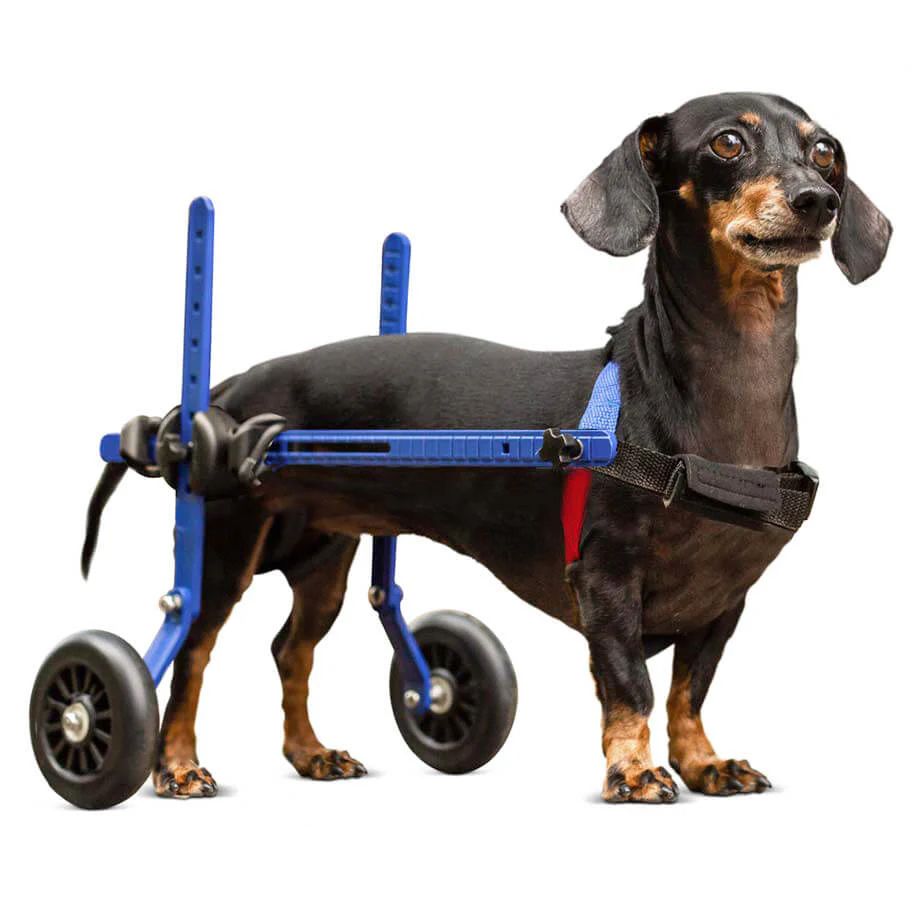
Type I IVDD is sudden and usually affects younger dogs. It’s most common in chondrodystrophic breeds, which have shorter legs and longer backs, such as Dachshunds.
-
Type II IVDD is more gradual and typically affects older or larger breeds over time.
The severity of IVDD can vary significantly. Some dogs recover fully with conservative management, while others may need surgery and long-term mobility support.
Does IVDD shorten a dog’s life?
IVDD itself does not necessarily shorten a dog's life, but complications from the condition can affect quality of life if left unmanaged. When properly treated and supported, most dogs with IVDD can live a normal lifespan.
However, how long a dog lives after being diagnosed with IVDD depends on several factors, including:
-
The severity and location of the spinal injury
-
The speed of diagnosis and treatment
-
Whether or not surgery was required
-
The dog’s age, breed, and weight
-
The pet owner’s ability to provide consistent care and support
With early intervention and mobility support, many dogs regain a high level of independence. In cases where paralysis occurs, a dog wheelchair can help restore mobility and comfort, keeping dogs active for years to come.
How does a dog’s age impact IVDD prognosis?
Age plays a significant role in how well a dog can recover from IVDD and what their long-term outlook may be.
Younger dogs
Younger dogs generally recover more quickly, especially if they have Type I IVDD and receive timely treatment. These dogs are often good surgical candidates and can bounce back with proper rest and rehabilitation. If paralysis is involved, mobility aids like a dog wheelchair can help bridge the gap during recovery or provide long-term support.
Senior dogs
Older dogs with IVDD may have a slower recovery or additional health conditions that complicate treatment. Type II IVDD is more common in older dogs, and its gradual nature may delay diagnosis. Still, many senior dogs respond well to pain management, physical therapy, and lifestyle changes.
Even if mobility is permanently affected, older dogs can thrive with the help of assistive devices. Walkin’ Pets wheelchairs are specifically designed for dogs who lose function in their back legs, giving them the ability to move independently without putting stress on other joints.
Which dog breeds are most affected by IVDD and how does it impact their lifespan?
Breed is one of the biggest risk factors for IVDD. Some breeds have a genetic predisposition to disc degeneration, which increases their chances of developing the condition early in life.
Breeds at highest risk
-
Dachshunds: Up to 25% will develop IVDD. They are prone to sudden disc ruptures due to their long backs and short limbs.
-
Beagles
-
Shih Tzus
-
Cocker Spaniels
-
Pekingese
-
French Bulldogs
-
Miniature Poodles
-
Corgis
-
Basset Hounds
These breeds often experience Type I IVDD and may need early intervention.
Larger breeds
Breeds such as German Shepherds and Labrador Retrievers are more likely to experience Type II IVDD, often appearing later in life. While the progression is slower, these dogs may still suffer from significant spinal issues and eventual mobility loss.
Breed influences not only when IVDD shows up but also how aggressively it progresses. That’s why being aware of the risk and acting at the first sign of symptoms can make a major difference in lifespan and quality of life.
How does a dog’s weight affect IVDD recovery and longevity?
Weight is a critical factor in both the development of IVDD and a dog’s ability to recover from it. Overweight dogs are more likely to suffer from disc issues, and once diagnosed, extra body weight can put more pressure on the spine, slowing recovery and increasing pain.
Risks of obesity in IVDD cases
-
Increases spinal stress and pain
-
Slows healing post-surgery
-
Raises the risk of complications like arthritis
-
Reduces mobility and muscle strength
Maintaining a healthy weight through diet and low-impact activity is essential. Physical therapy and controlled movement can help, and when walking is difficult, a dog wheelchair allows for safe exercise without straining the back.
How do mobility aids support dogs with IVDD?
When IVDD causes weakness or paralysis in the back legs, many dogs need assistance to move safely and comfortably. This is where mobility aids like those offered by Walkin’ Pets become essential.
Benefits of using a dog wheelchair
-
Restores independence and confidence
-
Reduces pressure on the spine
-
Encourages daily exercise and mental stimulation
-
Prevents muscle loss due to inactivity
-
Helps manage weight and improve circulation
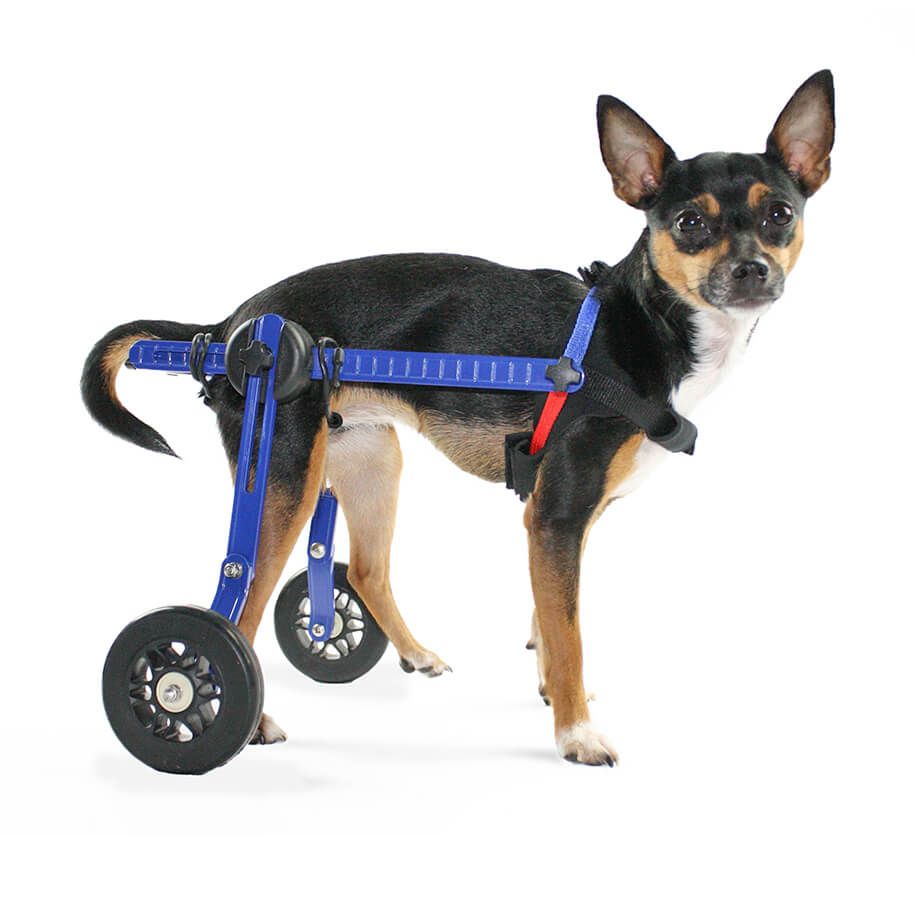
Walkin’ Pets wheelchairs are fully adjustable and designed for both short-term rehabilitation and long-term use. For dogs who are paralyzed or only partially mobile, these carts can mean the difference between isolation and an active, enjoyable life.
Many dogs who use wheelchairs continue to live for years with a high quality of life, showing that mobility loss does not mean the end.
What role does rehabilitation and ongoing care play in long-term outlook?
Rehabilitation, home care, and routine management are just as important as medical treatment in improving life expectancy for dogs with IVDD.
Key components of ongoing care
-
Physical therapy to build strength and restore coordination
-
Pain management using medications and supplements
-
Lifestyle changes, such as avoiding stairs and jumping
-
Supportive equipment like harnesses and wheelchairs
-
Monitoring for recurrence of symptoms
Dogs who receive consistent care often regain mobility and continue living a full life. Many pet owners find that with the right combination of support, their dogs remain happy and engaged, even if they never fully recover the ability to walk on their own.
Frequently Asked Questions
How long can a dog live with IVDD?
Many dogs with IVDD can live a full and normal lifespan, especially when the condition is properly managed. Life expectancy depends on several factors including the severity of the disc injury, the dog’s age, breed, weight, and how quickly treatment begins.
With appropriate medical care, lifestyle adjustments, and mobility aids such as a dog wheelchair, dogs with IVDD can remain active and enjoy a high quality of life for many years after diagnosis.
Is IVDD in dogs considered a terminal condition?
IVDD is not a terminal condition in most cases. It is a chronic, manageable spinal issue that can lead to pain or mobility problems but does not directly cause death. Dogs with IVDD often recover with surgery, medication, physical therapy, or mobility support.
Even if permanent paralysis occurs, dogs can still live happily with the help of mobility devices like a dog wheelchair. What matters most is managing symptoms and preventing further injury.
Can dogs with IVDD walk again without surgery?
Yes, many dogs with IVDD regain the ability to walk without surgery, especially if their symptoms are mild or caught early. Conservative treatments like crate rest, anti-inflammatory medications, physical therapy, and laser therapy can be effective.
However, dogs with more severe symptoms or complete paralysis often require surgical intervention. In cases where walking doesn’t return, a wheelchair allows dogs to remain mobile and active. Each recovery path is unique and depends on the extent of spinal damage.
How does using a dog wheelchair improve life for dogs with IVDD?
A dog wheelchair helps dogs with IVDD maintain their mobility, stay active, and avoid further strain on the spine. Wheelchairs are especially useful for dogs who experience weakness or paralysis in the back legs.
By supporting the rear limbs, a wheelchair allows dogs to walk, play, and explore safely. This improves mental well-being, helps manage weight, prevents muscle loss, and reduces the chance of secondary health issues. Many IVDD dogs live long, fulfilling lives with the help of a cart.
Which dog breeds have the highest risk of developing IVDD?
The breeds most prone to IVDD are typically those with long backs and short legs, known as chondrodystrophic breeds. These include Dachshunds, Corgis, Basset Hounds, Shih Tzus, and Beagles. French Bulldogs and Pekingese are also at high risk.
Larger breeds like Labrador Retrievers and German Shepherds can develop a slower-progressing form of IVDD later in life. Knowing your dog’s breed risk can help with early detection and proactive spinal care.
What are the early signs of IVDD in dogs?
Early signs of IVDD can include reluctance to move, limping, back or neck pain, muscle spasms, a hunched posture, or dragging of the rear legs. Some dogs may yelp when touched, refuse to jump, or suddenly become less active.
As the condition progresses, weakness or paralysis in the back legs may occur. Catching these signs early is important. Prompt treatment gives your dog the best chance for recovery and helps prevent further spinal damage.
Can overweight dogs recover from IVDD?
Overweight dogs can recover from IVDD, but extra weight makes recovery more difficult. Obesity adds pressure on the spine and joints, slows healing, and increases the risk of disc re-injury.
A strict weight management plan that includes diet changes, low-impact activity, and possibly physical therapy is essential. For dogs with mobility issues, a dog wheelchair can allow for safe movement while reducing the physical strain of walking, helping support both recovery and long-term wellness.
Is surgery always required for dogs with IVDD?
Surgery is not always required for IVDD. Many mild to moderate cases respond well to conservative treatment such as crate rest, medications, and physical therapy. Surgery is typically recommended for dogs with severe symptoms like paralysis, loss of bladder control, or when conservative care fails to improve the condition.
The decision depends on the degree of spinal cord compression and the dog’s overall health. Even after surgery, some dogs benefit from using a wheelchair during recovery.
What lifestyle changes help dogs with IVDD live longer?
Lifestyle changes that support dogs with IVDD include managing weight, preventing jumping or stair use, and creating a safe, accessible living space. Incorporating physical therapy, short walks, and structured rest can improve strength and flexibility.
Using supportive tools like harnesses or wheelchairs helps reduce strain on the spine. Regular vet checkups and monitoring for symptoms are also key. These adjustments protect spinal health and can significantly improve life expectancy and quality of life.